MIGS for the Modern Optometrist
Culled from https://modernod.com/.

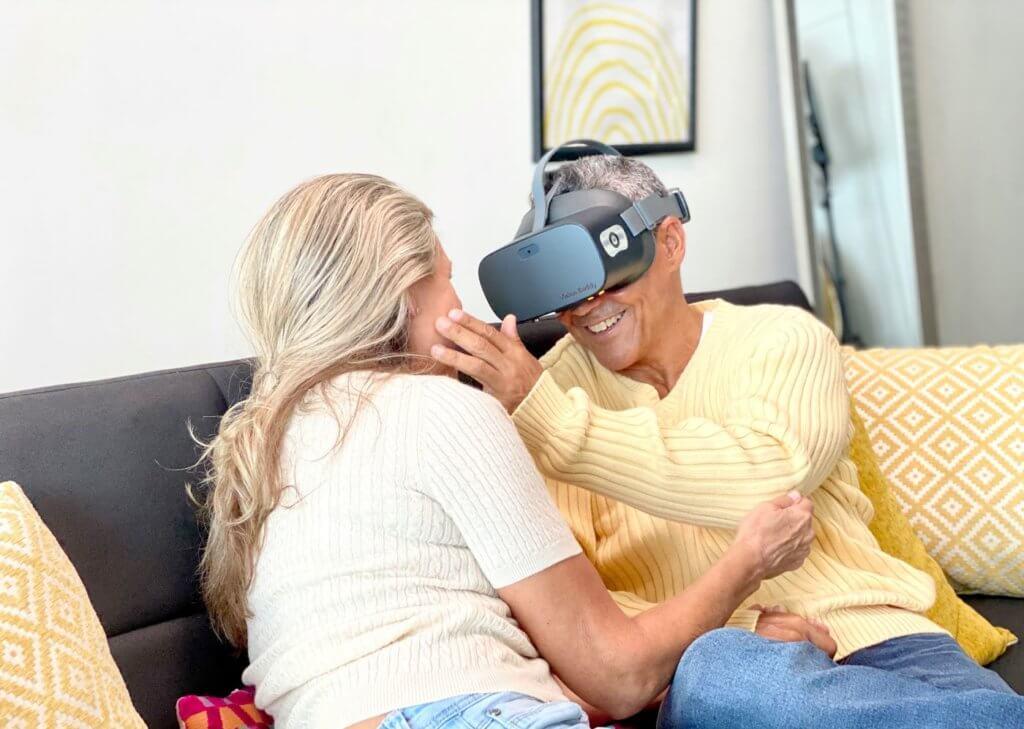
Culled from https://www.healio.com/ Key takeaways: Most participants did not show improvement in hand-eye coordination tasks. More than half of participants reported that effectiveness was the most important factor in ranking satisfaction.
Despite advances in head-mounted displays, patients are often dissatisfied with their performance, according to a study published in Ophthalmic and Physiological Optics.
“The great news is that technology is advancing rapidly, and people with vision loss will have many [assistive] devices to choose from,” senior study author William Seiple, PhD, chief research officer at Lighthouse Guild and research professor of ophthalmology at NYU School of Medicine, said in a related press release. “However, there is a need for more objective, evidence-based data that can help people, in consultation with their vision health provider, identify the devices that are the best match for their individual diagnosis and functional needs.”

In a cross-sectional, counterbalanced, crossover study of 15 adults with various eye conditions, researchers assessed visual acuity, contrast and performance in vision-related activities of daily living using four different head-mounted displays: eSight4, Eyedaptic Eye3, Eyedaptic Eye4 and IrisVision Inspire.
While patients demonstrated significantly improved performance in clinical tasks, participants still struggled with real-world daily activities.
Participants performed better in contrast acuity and sensitivity when using the eSight4 and Eyedaptic EYE3, and all participants had better near visual acuity when using the devices.
They demonstrated improvement in most reading and searching tasks, like sentence reading acuity, but in eye-hand coordination tasks, participants did not show significant improvements with the device and, in fact, performed significantly worse than baseline when using the eSight 4 and Eyedaptic EYE4. Number of words read and reading speed also did not improve when using the devices.
Participants also reported low satisfaction scores, ranking the devices out of a possible score of 35 at a median of 9 for eSight4, 16 for Eyedaptic Eye3, 13 for Eyedaptic Eye4 and 12 for IrisVision Inspire. More than half of participants (52%) noted that the effectiveness of the device was the most important factor in determining their satisfaction. Convenience and ease of use were also reported as important factors.
No demographic or clinical predictors were associated with performance when using the devices.
“Continuous technological advancements necessitate multiple small-scale studies that can serve as the basis for guiding clinical practice,” the study authors wrote.